
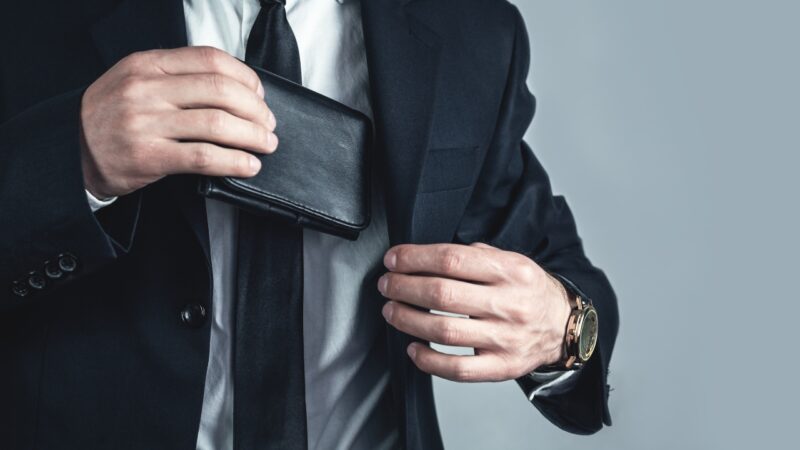
A wallet that gets better with age starts with honest leather, careful stitching, a layout that matches daily carry, and a finish that can develop character rather than peel.
Good aging means the surface gains depth, edges soften, and small marks blend into patina instead of turning into cracks, loose seams, or warped card slots.
A wallet lives a rough life. It rubs against fabric, sits under body weight, absorbs hand oils, meets rain, and opens many times a day. Product photos show the first impression. Long use reveals the truth.
Leather is animal hide or skin treated through tanning, so it resists decay and becomes suitable for durable goods. Tanning is the process that turns perishable skin into a stable material, and it is a process that helps make leather durable, flexible, and long-lasting. For wallets, the strongest aging potential usually comes from leather with a real grain surface and enough natural variation to change with handling. That is why browsing well-made leather wallets and card holders is useful before buying, since the material, finish, and shape all affect how the piece will look after months of daily use. Full-grain leather is often the term buyers look for, although marketing language can get messy. The Leather Research Laboratory defines full-grain leather as grain split hide with nothing removed except hair and epidermis, and notes an ISO-aligned definition describing leather with its original grain surface intact, without buffing, snuffing, or splitting. A heavily coated or corrected surface may look perfect on day one, but coatings can block the richer change people associate with aging well. Natural pores, wrinkles, small scars, and uneven tone are not automatic flaws. When they look organic, they give leather visual memory. A corner darkens where a thumb lands. A fold line grows smoother. A card slot develops a gentle outline. Overly uniform surfaces deserve a closer look. Some wallets are sanded, coated, embossed, or painted to hide lower-grade material. A uniform finish can still be attractive, yet it may age like a coating rather than leather. Once the top layer flakes or peels, a graceful patina is no longer possible. Leather labeling matters because shoppers often rely on vague words. The Federal Trade Commission’s Leather Guides apply to wallets and similar leather goods, and they warn that misrepresenting composition can be unfair or deceptive. The rules also say non-leather material that looks like leather should be disclosed. A phrase such as “genuine leather” only tells you that leather is present. It does not automatically mean premium quality. Better product descriptions give more useful detail: Good sellers explain leather type, tanning method, finish, thread, and construction. Weak sellers hide behind broad labels and glossy photos. Vegetable-tanned leather gets mentioned often in aging conversations for a reason. The Canadian Conservation Institute explains that vegetable-tanned leather is produced by placing prepared skins in tanning liquors made from tannin-rich plant matter such as bark, leaves, and twigs. Oils or fats are often worked into leather afterward to give flexibility for use or further manufacturing. For a wallet, vegetable-tanned leather can darken noticeably, especially in tan, honey, chestnut, and natural shades. Sunlight, hand oils, friction, and pocket wear can make it warmer and more personal over time. Chrome-tanned leather can also perform well, especially when softness and color consistency matter. The real question is finished. A thin aniline or semi-aniline finish often lets the grain remain visible and responsive. A thick pigment or plastic-like coating may resist stains early, but it can limit visible aging. Color affects expectations, too. Light leather changes fastest. Medium browns tend to age gracefully because darkening, scratches, and polishing blend together. Black leather can still age well, but patina appears more through sheen, edge smoothing, and texture than color shift. Material gets the attention, but construction determines whether the wallet survives long enough to become better. A thick piece of leather with weak stitching can fail faster than a modest piece of leather sewn properly. Look closely at stress points. Card slot corners, folded edges, bill compartment ends, and the spine of a bifold carry the most strain. Stitching should look even, tight, and set far enough from the edge to avoid tearing through leather. A loose thread on a new wallet is a warning sign. Edges also matter. Burnished, folded, or painted edges can all work when executed well. Poor edge paint often cracks first. Raw edges can look rugged, but they should feel smooth enough not to shed fibers or catch fabric. Wallet design has changed because payment habits have changed. The Federal Reserve Bank of Atlanta’s 2024 Survey and Diary of Consumer Payment Choice reported that U.S. consumers made an average of 48 payments per month, with credit card payments rising, while paying with cash during the prior 30 days declined from 87% of consumers in 2023 to 83% in 2024. A wallet that ages well should carry what you actually use. Too much empty capacity creates bulk. Too little space stretches the leather and distorts the shape. Most bank and ID cards follow the ISO ID-1 format, 85.60 mm by 53.98 mm, with a nominal thickness of 0.76 mm. Eight cards stacked together already create meaningful thickness inside a pocket. The best long-term choice is usually slightly smaller than the wallet people think they need. Leather stretches. A wallet with around 5 cards may become loose if it regularly carries 9. Aging improves a wallet when wear feels coherent. Extra hardware can interrupt that. Money clips, zippers, snaps, chains, magnets, and metal logos all create potential failure points or pressure marks. Hardware is not automatically bad. A brass snap on a coin pocket can age beautifully. A quality zipper can protect documents. Still, a wallet meant for years of pocket carry benefits from restraint. Fewer hard parts usually mean fewer dents in leather and fewer repairs later. RFID lining is worth treating with realism. Some buyers value it for peace of mind. Others prefer simpler construction and thinner leather. If RFID blocking adds stiffness, crinkling, or bulk, the wallet may not mold naturally over time. A wallet that lasts 7 years usually has a stronger sustainability argument than a cheaper one replaced every year. Leather supply chains are under closer scrutiny, especially around tannery practices, traceability, water use, chemistry, and deforestation risk. Leather Working Group says its audit standard assesses and certifies leather manufacturers, and the organization reports more than 2,200 certified suppliers across over 60 countries, covering more than 30% of global finished leather production. Care should protect patina, not smother it. The Canadian Conservation Institute notes that museum practice now minimizes dressings, lubricants, and cleaners because of possible negative long-term effects on leather. It also emphasizes proper environments and support as central to preservation. A dark spot from hand oil is usually patina. A soaked corner, cracked fold, or sticky coating is damage. Some wallets are designed to look old before they have earned any wear. Heavy artificial distressing can hide weak leather. Painted grain can look rich in photos and flat in person. Very thick leather can feel premium while making the wallet bulky, stiff, and awkward in a pocket. Be cautious when you see no leather type listed, “premium genuine leather” without detail, plastic-like shine, uneven stitching, edge paint already lifting, glued card slots without visible sewing, a strong chemical smell, or product photos with no interior close-ups. Look for real grain, clear labeling, careful stitching, sensible capacity, restrained hardware, and a finish that can respond to use. Patina cannot be faked for long. Better to buy a wallet that starts simple and earns character slowly.Key Points
Start With Leather That Can Develop Character
Watch For Fake Perfection
Read Leather Claims With Care
Claim Or Detail
What It Suggests
What To Ask Before Buying
Full-grain leather
Original grain surface retained
Is the finish heavy or lightly protected?
Vegetable-tanned leather
Plant-derived tannins used
Will it darken quickly with use?
Corrected grain
Surface altered for uniformity
Is the grain embossed or coated?
LWG-certified tannery
Audited sourcing or production standard
Which tannery or rating is listed?
Tanning and Finishing Shape the Patina
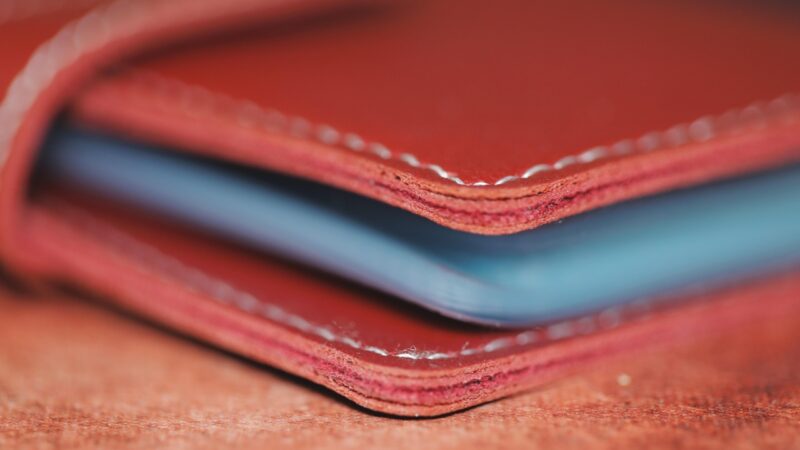
Construction Decides Whether Aging Looks Refined
Layout Should Match Real Payment Habits
Carry Style
Best Wallet Type
Aging Risk If Overloaded
3 to 5 cards, little cash
Slim cardholder
Low, if slots are not overstuffed
5 to 8 cards, occasional cash
Compact bifold
Spine strain if packed too tightly
8 to 12 cards, receipts, cash
Larger bifold
Bulging corners and stretched slots
Coins or many receipts
Zip wallet or organizer
Heavy seams need extra inspection
Extras Should Not Get In The Way
Sourcing And Care Matter
Red Flags That A Wallet Will Age Poorly
Final Takeaway
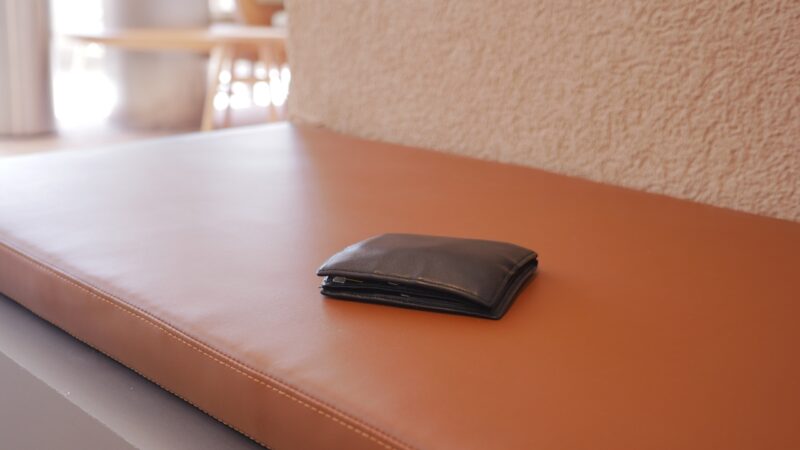
A wallet that actually gets better with age begins with honest material and ends with daily discipline.