
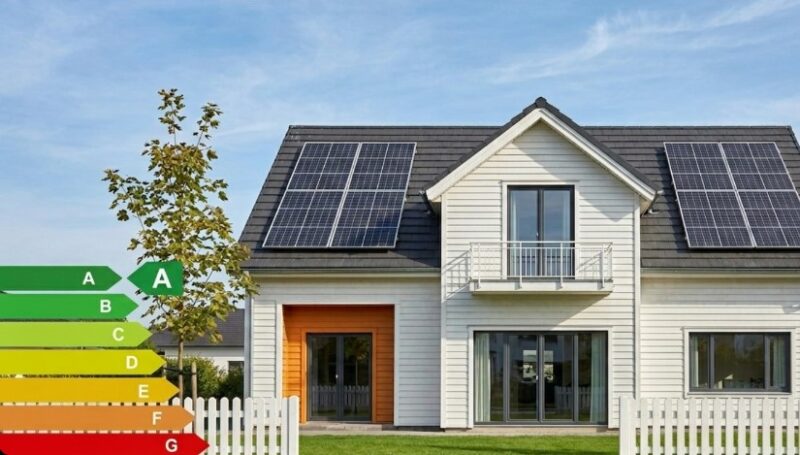
Energy-efficient homes use less power to maintain comfortable indoor temperatures, provide hot water, run appliances, and support daily household needs.
Higher construction or renovation costs may apply at the start. Lower utility bills, better temperature control, improved air quality, and higher property values can offset part of that expense over time.
Both new and older properties can qualify as energy-efficient homes.
New builds can include efficient materials and systems during construction, while older homes can improve through targeted upgrades completed in stages.
The case of Cyprus will be the main example for us today.
Let’s talk about it.
What Makes a Home Energy-Efficient?
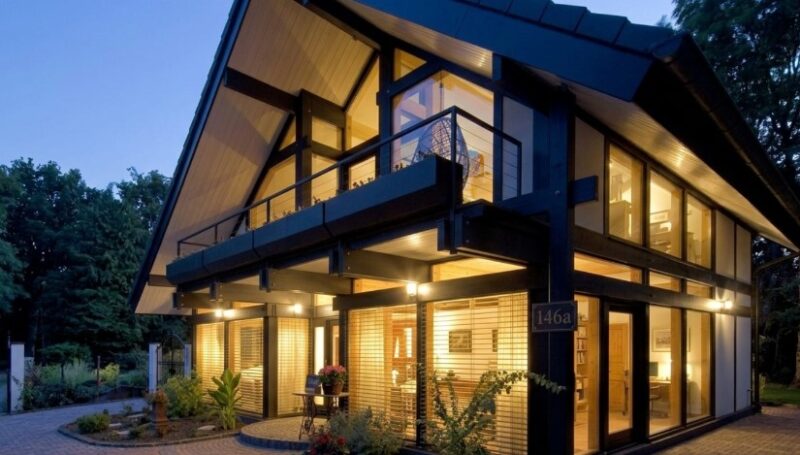
Energy-efficient homes reduce heat loss, control air leakage, and limit unnecessary electricity and water use. Effective features include:
- Insulation in walls, roofs, attics, basements, and floors
- Sealed gaps around doors, windows, outlets, pipes, and vents
- Double-glazed or triple-glazed windows with low-emissivity coatings
- Efficient heating, cooling, and water-heating systems
- Programmable thermostats and zoned temperature controls
- LED lighting and efficient household appliances
- Controlled ventilation for humidity and pollutant management
- Low-flow faucets, showerheads, and toilets
- Solar panels or other renewable-energy systems
Insulation and airtight construction reduce the amount of heating or cooling needed to maintain a stable indoor temperature. Efficient windows limit heat transfer, while modern equipment converts energy into heating, cooling, or hot water with less waste.
Construction methods also affect thermal performance, material use, project speed, and the precision of insulation installation.
Building materials and construction methods also influence insulation performance, air tightness, and long-term energy use.
Homeowners planning a new build can consider steel frame construction services in Cyprus as part of an energy-efficient design.
What Energy-Efficient Homes Cost?
Costs depend on property size, age, condition, climate, labor rates, and upgrade scope. An efficient new build may carry a purchase premium, while an older property may require separate renovation expenses.
Homeowners can begin with lower-cost measures before committing to major work:
- Seal air leaks around windows, doors, outlets, and pipe openings
- Replace incandescent bulbs with LED bulbs
- Install a programmable thermostat
- Add weatherstripping and door seals
- Insulate exposed hot-water pipes
- Reduce unnecessary water-heater temperatures
LED bulbs can use up to 75% less energy than traditional incandescent bulbs. They also last longer, reducing replacement costs.
Larger investments include new insulation, high-performance windows, efficient heating and cooling systems, heat-pump water heaters, and solar panels. Structural repairs, electrical upgrades, or ductwork changes can increase the final cost.
A complete renovation is not always necessary. Air sealing, attic insulation, and smart controls can produce measurable savings without major construction.
Energy assessments help identify where energy is being wasted. Blower-door tests, thermal imaging, equipment inspections, and energy ratings can guide spending toward upgrades with better financial results.
Climate and Location
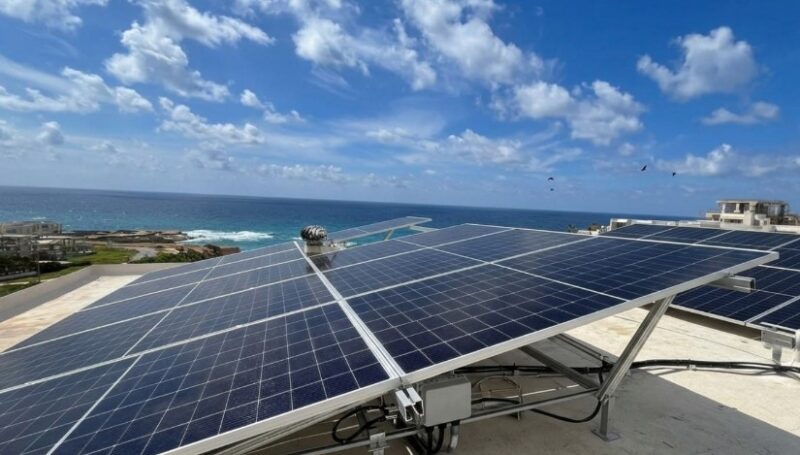
Climate determines which improvements have the greatest effect. Colder areas often benefit most through insulation, airtight construction, efficient heating, and advanced glazing.
Hotter areas usually gain more through roof insulation, shading, efficient cooling, and solar power.
Energy-efficient homes in Cyprus may benefit most through measures that reduce cooling demand and use strong sunlight for electricity generation.
Several upgrades are especially relevant in Cyprus:
- Roof and wall insulation to limit indoor heat buildup
- External shutters, awnings, or shading systems
- Airtight windows with efficient glazing
- High-efficiency air-conditioning systems
- Programmable cooling controls
- Solar panels
- Solar water-heating systems
External shading blocks direct sunlight before it reaches window glass. Roof insulation slows heat entering rooms below, while efficient air conditioning lowers electricity use during hot periods.
Programmable controls can reduce cooling when residents are sleeping or away. Zoned systems can limit air conditioning to occupied rooms.
How Much You Can Save
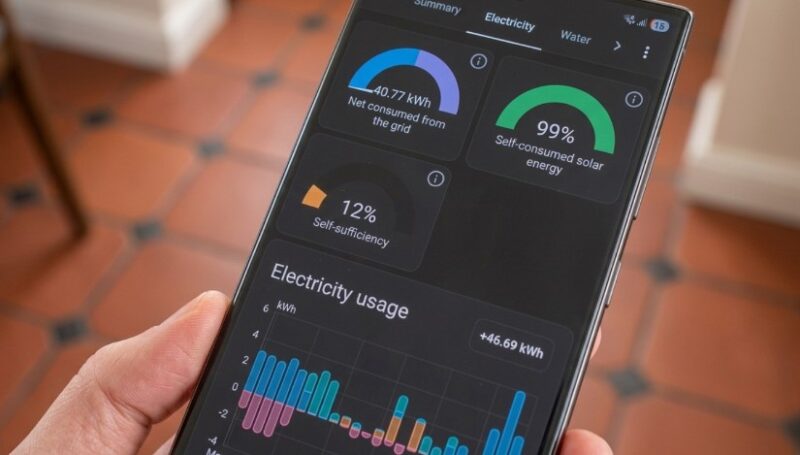
Energy-efficient homes lower costs by reducing heating, cooling, lighting, appliance, and water-heating demand.
Reported annual operating costs show a clear difference between new and older properties:
- New-build home – approximately £1,574 per year
- Average older home – approximately £1,995 per year
- Least-efficient property – up to £2,192 per year
Annual savings are about £421 compared with an average older home and about £618 compared with one of the least-efficient properties.
Older homes use around 50% more energy than new builds. Common causes include poor insulation, uncontrolled air leakage, aging equipment, inefficient windows, and outdated temperature controls.
Actual savings vary based on energy prices, climate, property size, construction quality, equipment condition, and household habits.
Families using heating or air conditioning for longer periods may see larger savings after upgrades.
Payback and Long-Term Value
View this post on Instagram
A basic formula can estimate how long an upgrade may take to recover its cost:
Upgrade cost ÷ annual energy savings = estimated payback period
An upgrade costing $6,000 and saving $600 each year has an estimated payback period of 10 years.
Monthly savings are only one part of the financial calculation. Energy-efficient homes may also benefit through reduced exposure to energy-price increases, lower equipment strain, and stronger resale values.
Reported property figures indicate:
- Energy-efficient new builds may achieve values 5% to 6% higher than comparable older homes
- A 5% increase on a £300,000 property equals approximately £15,000
- Energy-efficient homes can produce around 50% fewer carbon emissions
Local market conditions, buyer demand, property condition, and verified energy ratings affect the final value.
Comfort benefits include steadier temperatures, fewer drafts, better humidity control, and improved indoor air quality. Reduced heating and cooling demand can also extend equipment life by limiting operating hours.
Low-cost upgrades often have shorter payback periods. Major insulation work, new windows, efficient mechanical systems, and solar installations may require more time.
Rebates, tax incentives, financing costs, maintenance needs, and future energy prices can change the calculation.
FAQs
Summary
Energy-efficient homes can cost more to build, purchase, or upgrade, but long-term savings may justify the initial expense.
Key figures include annual savings of £421 to £618, energy-use differences of around 46%, property-value gains of 5% to 6%, and carbon-emission reductions of about 50%.
An energy assessment is a practical first step. Air leaks and insulation gaps should usually be corrected before replacing heating or cooling equipment.
Energy-efficient homes perform best when efficient construction, suitable equipment, regular maintenance, and careful household energy use work together.