
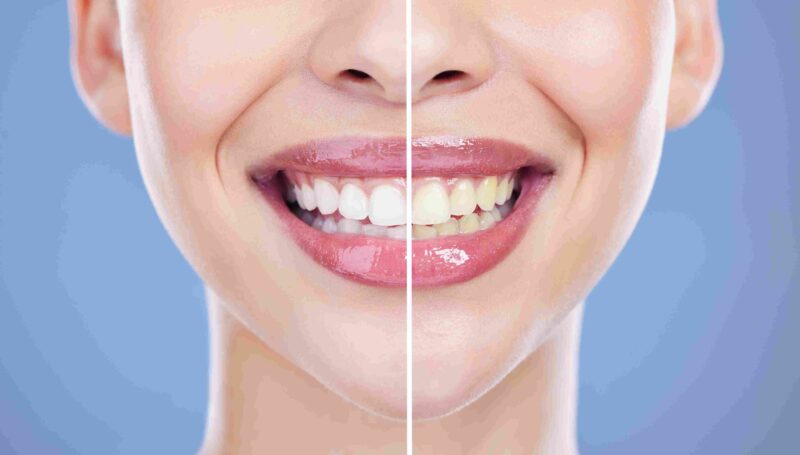
Whitening can make teeth look noticeably brighter, but it does not stop stains, aging, or daily wear. After treatment, teeth are still exposed to foods, drinks, tobacco, plaque, and natural color changes.
Whitening removes stains, but it does not stop new stains
Whitening treatments lift stains and lighten tooth color. A stronger treatment may create a more noticeable change, while a mild product may only polish away surface discoloration.
New stains can still develop after whitening. Coffee, tea, red wine, cola, dark sauces, berries, smoking, and plaque buildup can all dull results over time.
How Long Do Different Teeth Whitening Methods Usually Last
Each whitening method has a different lifespan because each one uses a different strength, application style, and level of dental oversight.
Longer-lasting results usually come with better gel contact, stronger whitening agents, and a clear maintenance plan.
In-office professional whitening: around 1 to 3 years
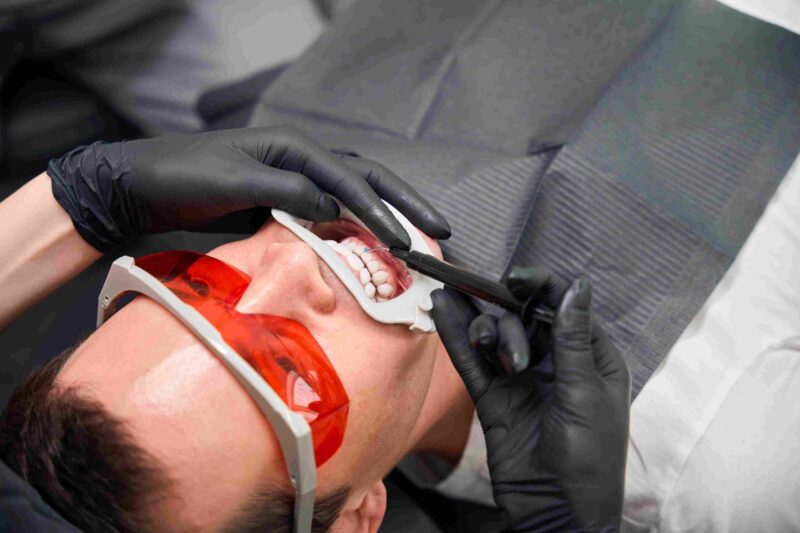
In-office whitening is usually the longest-lasting option.
Dental teams can use stronger bleaching agents, such as hydrogen peroxide or carbamide peroxide, while protecting gum tissue and monitoring sensitivity.
Some in-office treatments use light or laser activation to help the whitening agent work. Many patients see teeth whiten by several shades in one visit.
Professional in-office whitening may last up to 3 years with good oral hygiene and maintenance. Many people fall into a 1 to 3 year range.
- Fast results
- Brighter teeth before weddings, vacations, events, or photos
- Help with more noticeable discoloration
- Dentist-supervised whitening
Daily stain exposure can shorten that timeline. Someone who drinks coffee or red wine every day, smokes, or skips cleanings may notice fading much sooner than someone with lower stain exposure and regular dental care.
Professional take-home whitening kits: around 6 to 12 months or longer
View this post on Instagram
Professional take-home kits are used at home, but they are planned by a dental team. They usually include custom trays, dental-grade whitening gel, and instructions based on tooth shade and sensitivity.
Custom trays matter because they improve how the gel contacts teeth. Better contact can lead to more even whitening and less irritation.
- Custom trays worn around 45 minutes daily for 7 to 14 days
- Prescription gel worn daily for 2 to 3 weeks
- Trays worn a couple of hours a day or overnight for up to four weeks or longer, based on instructions
Results commonly last 6 months to 1 year. Some people keep results longer with touch-ups, regular dental checkups, and good oral hygiene.
Custom trays also help with maintenance because they can be reused for dentist-approved top-up gel. They help keep whitening gel on tooth surfaces, reduce gum contact, support even application, and may reduce sensitivity or irritation.
Professional take-home kits are often a good fit for gradual, natural-looking whitening, minor to moderate stains, at-home treatment with dentist guidance, and maintaining in-office whitening results.
Over-the-counter whitening strips and kits: a few months
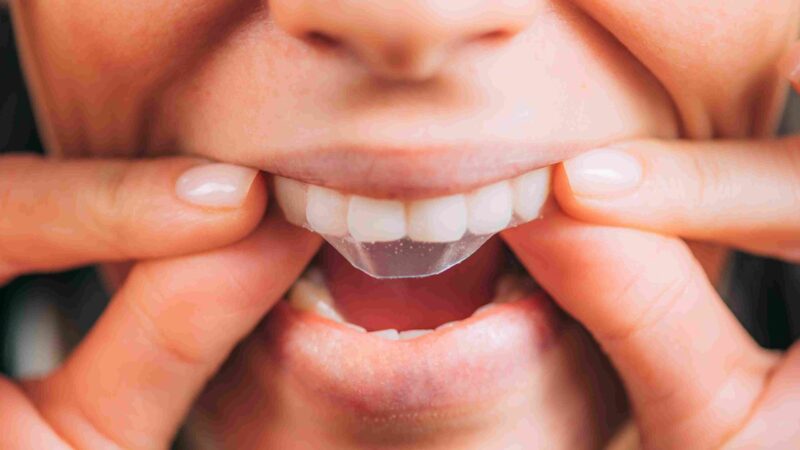
Over-the-counter strips and kits can help with mild surface staining. Results are usually less dramatic and shorter-lived than professional whitening because retail products often use lower-strength whitening agents and do not include custom trays.
Fit is another limitation. Strips may not sit evenly on every tooth, and one-size trays may allow gel to spread onto gum tissue.
- Lower-strength gel
- Less even coverage
- Shorter-term results
- More patchy whitening
- Less gum protection
Results may fade within a few months. OTC products can help before an event or provide a quick brightness boost, but they are less likely to maintain a major whitening change without consistent care.
Whitening toothpaste: days to weeks for surface stains
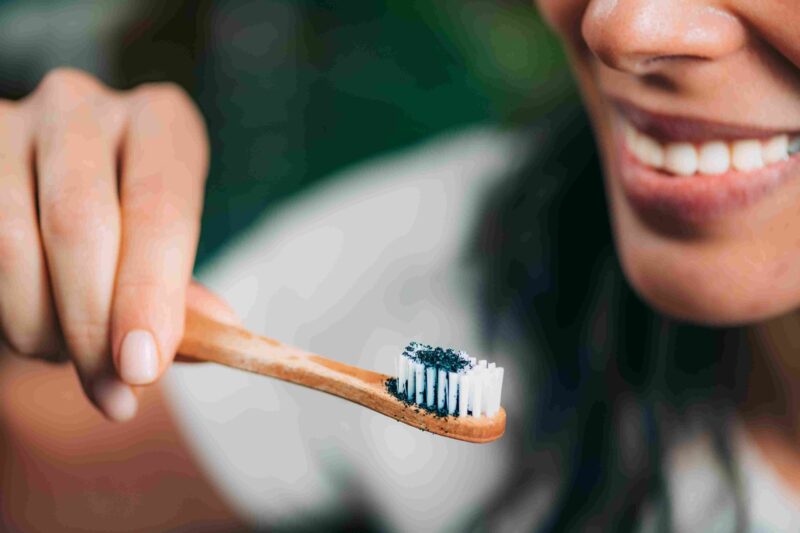
Whitening toothpaste mainly targets surface stains. It often uses mild abrasives or polishing ingredients to remove discoloration sitting on enamel.
Whitening toothpaste does not usually change internal tooth shade. It may make teeth look cleaner and slightly brighter, but it will not create the same result as bleaching gel.
Its effect is usually short-term, often lasting days or weeks.
Used a few times per week after whitening, it can help maintain brightness by limiting surface stain buildup.
- Maintaining brightness after whitening
- Managing light surface stains
- Supporting a daily oral care routine
Whitening toothpaste should not replace professional whitening when someone wants a major shade change.
Why Teeth Start Looking Stained Again
Teeth can look stained again because whitening does not change daily exposure to stain-causing foods, drinks, tobacco, plaque, or aging.
Some stains sit on enamel, while others develop inside tooth structure.
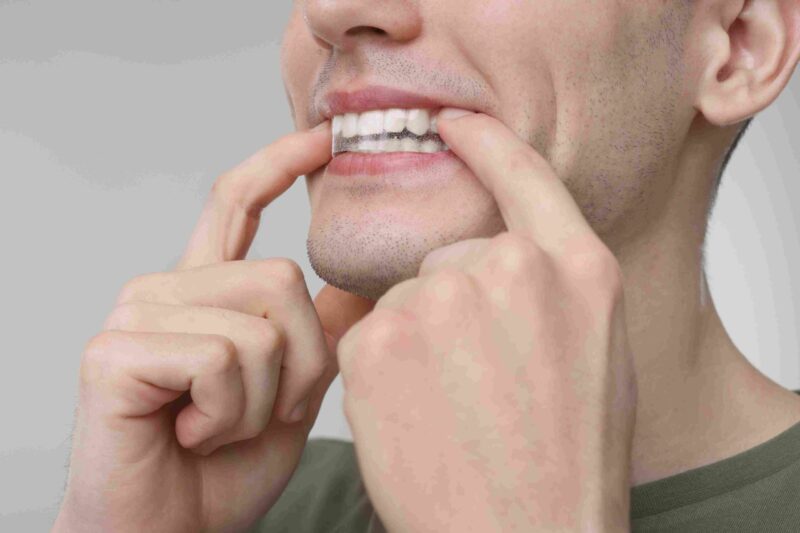
Intrinsic stains: internal discoloration
Intrinsic stains develop inside tooth structure. These stains are harder to treat because they are not just sitting on enamel.
Common causes include aging, trauma, medication, infection, natural tooth color, tetracycline staining, fluoride overexposure, and mottled white spots.
Professional whitening may improve intrinsic discoloration, but results can be less predictable. Someone with internal staining may need a dental evaluation before choosing a whitening plan.
If discoloration appears after tooth pain, injury, swelling, a broken tooth, or signs of infection, cosmetic whitening should wait until a dentist checks the tooth.
In urgent cases, an Akutt Tannlege can assess the problem and recommend the right treatment before any whitening plan.
A dentist may recommend whitening, bonding, veneers, crowns, or another cosmetic option based on stain cause, tooth condition, and desired result.
Extrinsic stains: everyday surface stains
Extrinsic stains sit on the outer enamel surface. These are common everyday stains linked to diet, drinks, tobacco, and hygiene.
- Coffee
- Tea
- Red wine
- Cola
- Berries
- Curries
- Dark sauces
- Smoking or tobacco
- Poor dental hygiene
Surface stains build slowly. Many people do not notice fading until they compare their current shade with older photos or a shade taken right after whitening.
Most whitening methods work better on extrinsic stains than internal discoloration. Professional cleanings can also help remove plaque, tartar, and surface stains that make teeth look dull.
Aging and enamel texture
Tooth color naturally changes with age. Enamel can become thinner, allowing warmer dentin underneath to show more clearly.
Enamel texture and porosity can also affect whitening lifespan. More porous enamel may absorb stain particles faster after treatment.
Genetics and natural tooth color matter too. Some teeth hold a brighter shade longer, while others return to a warmer tone sooner.
Good oral hygiene, fluoride toothpaste, cleanings, and stain control can slow visible dulling, but natural aging still affects long-term color.
What to Expect After Whitening
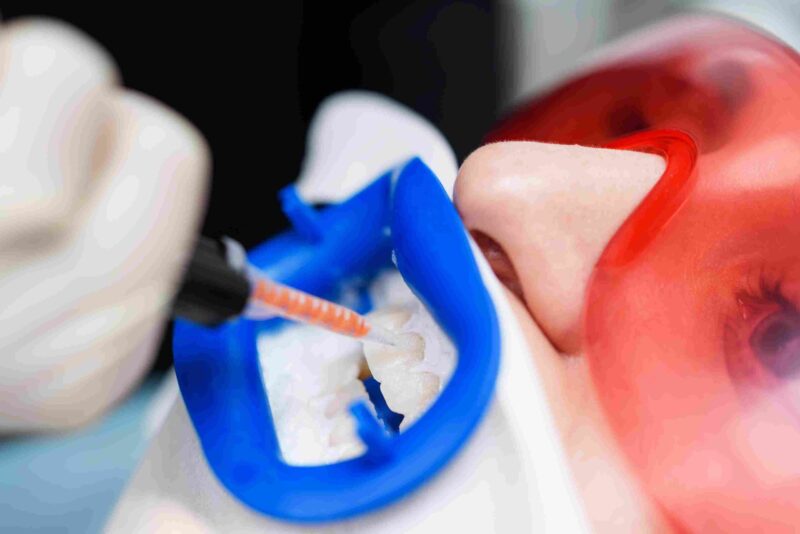
Whitening results change over time. Brightness usually looks strongest soon after treatment, then slowly settles as teeth rehydrate, shade stabilizes, and new stains build.
First few days
Teeth often look brightest soon after whitening. Mild sensitivity can happen, especially after professional bleaching or repeated whitening sessions.
During these first days, stain control is especially important. Limiting coffee, tea, red wine, cola, curry, berries, and dark sauces can help protect the fresh result.
Professional take-home users may notice improvement within a few days, with full results appearing after consistent use.
First few weeks
Shade usually stabilizes during the first few weeks. With professional take-home kits, final brightness often becomes clearer near the end of the treatment schedule.
- Some custom tray systems last 7 to 14 days.
- Other professional at-home systems last 2 to 3 weeks.
- Some dentist-directed plans continue up to four weeks or longer.
Consistent tray use, careful brushing, flossing, and stain control during this stage can improve the final result and help it last longer.
3 to 6 months
Fading may become noticeable in 3 to 6 months, especially for people with heavy coffee, tea, wine, cola, or tobacco exposure.
OTC whitening results may already be fading in this window. Since those products usually create a smaller shade change, loss of brightness can become noticeable sooner.
A dentist-approved touch-up may help refresh color. Professional cleanings can also improve brightness by removing surface buildup.
6 to 12 months
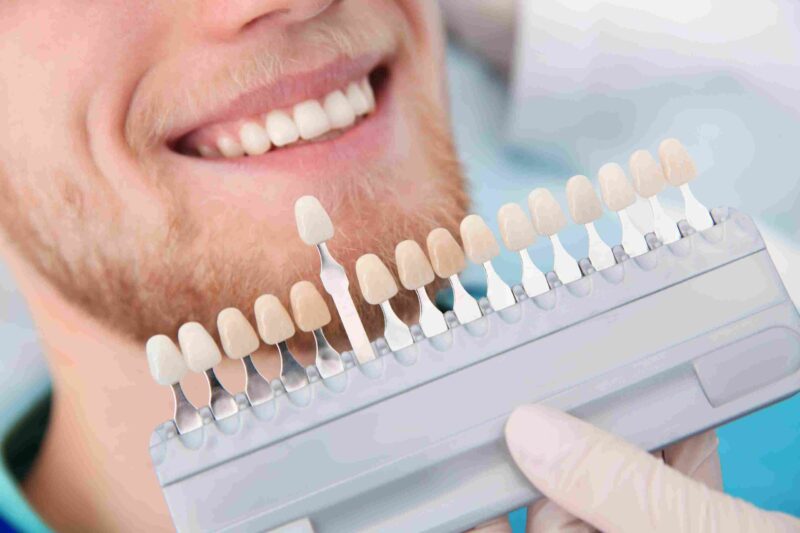
Professional take-home kit results may still be visible during the 6 to 12 month period with good care.
Maintenance habits matter most here. Brushing, flossing, fluoride toothpaste, cleanings, fewer staining drinks, and no tobacco can help teeth stay brighter.
A dentist may recommend top-up gel during this stage, especially for people who want to maintain a consistent shade year-round.
1 to 3 years
In-office whitening may still look noticeably brighter after 1 to 3 years in people with strong maintenance habits.
Results fade gradually. Brightness usually softens over time as new stains collect and natural tooth color changes.
People with regular cleanings, lower stain exposure, and dentist-approved touch-ups usually keep results longer. Heavy coffee use, smoking, and poor hygiene can shorten the lifespan.
Closing Thoughts
Teeth whitening is temporary, but it can last a meaningful amount of time with the right method and habits.
Best long-term results depend on more than the whitening product. Diet, smoking or tobacco use, brushing, flossing, fluoride toothpaste, professional cleanings, enamel texture, genetics, and dentist-approved touch-ups all affect how long teeth stay bright.
Professional guidance, realistic expectations, and consistent aftercare give whitening results a better chance of lasting.