
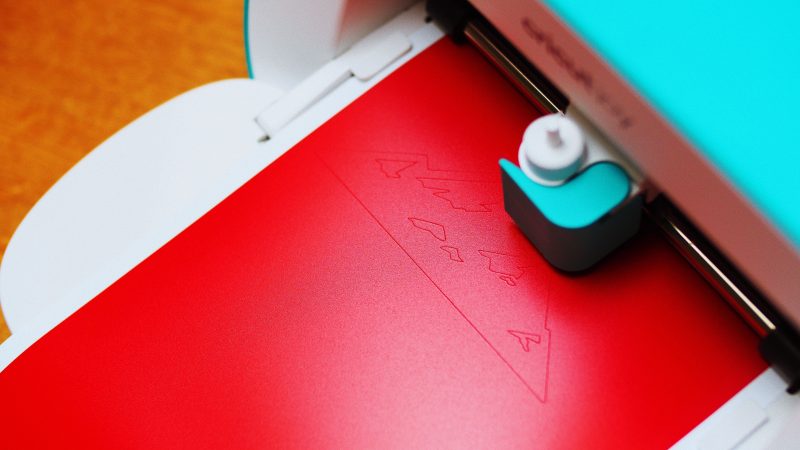
Wooden signs, personalized keychains, decorative wall art and custom wedding favors are all products you can make in a small workshop. Modern cutting equipment allows you to create detailed shapes, repeat designs and add names or messages to everyday objects.
You do not need to launch with dozens of products. A small collection of well-made items can help you test customer interest before spending more on materials or machinery.
Here are 10 DIY projects worth considering, including the materials, equipment and production details that can affect your costs.
1. Personalized Wooden Signs for Homes
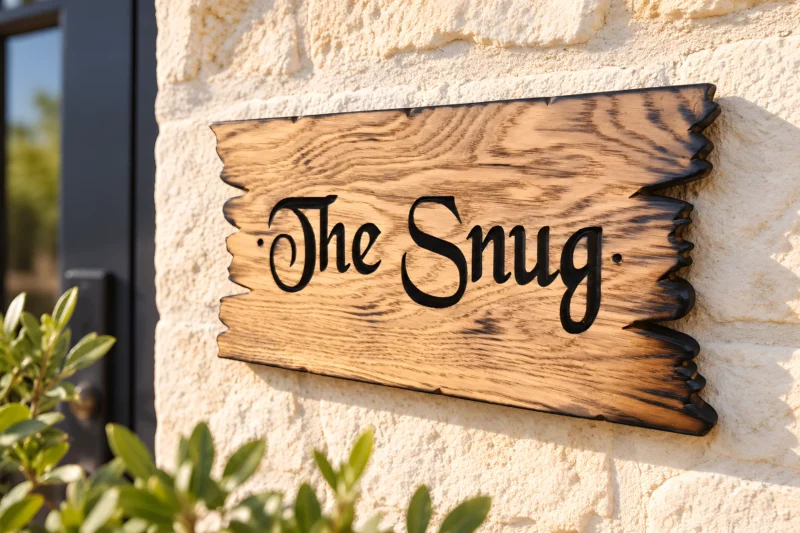
Wooden signs can feature family names, house numbers, welcome messages or original illustrations. They work as housewarming gifts and decorative pieces for entryways, kitchens and living rooms.
Start with plywood or another suitable wood product. Create the lettering digitally, cut or engrave the design and finish the surface with paint or a compatible wood coating.
For detailed lettering and repeatable shapes, laser cutters can process suitable wood and acrylic materials. Equipment capabilities vary, so check the supported material thickness and cutting area before purchasing a machine.
Offer a few standard sizes rather than manufacturing every sign to different dimensions. Consistent sizes simplify packaging and material purchasing.
2. Custom Acrylic Keychains
Keychains are small, easy to package and suitable for personalized designs. Customers may order initials, original illustrations or small gifts for birthdays and special events.
Choose acrylic specifically suitable for your cutting equipment. Cut the shapes, add lettering and attach the keychain hardware.
Test the size and placement of the hole before manufacturing a larger batch. A hole positioned too close to the edge may weaken the finished product.
You can sell individual keychains or offer coordinated sets. Simple designs also allow you to use smaller leftover pieces of suitable material.
3. Decorative Wooden Wall Art
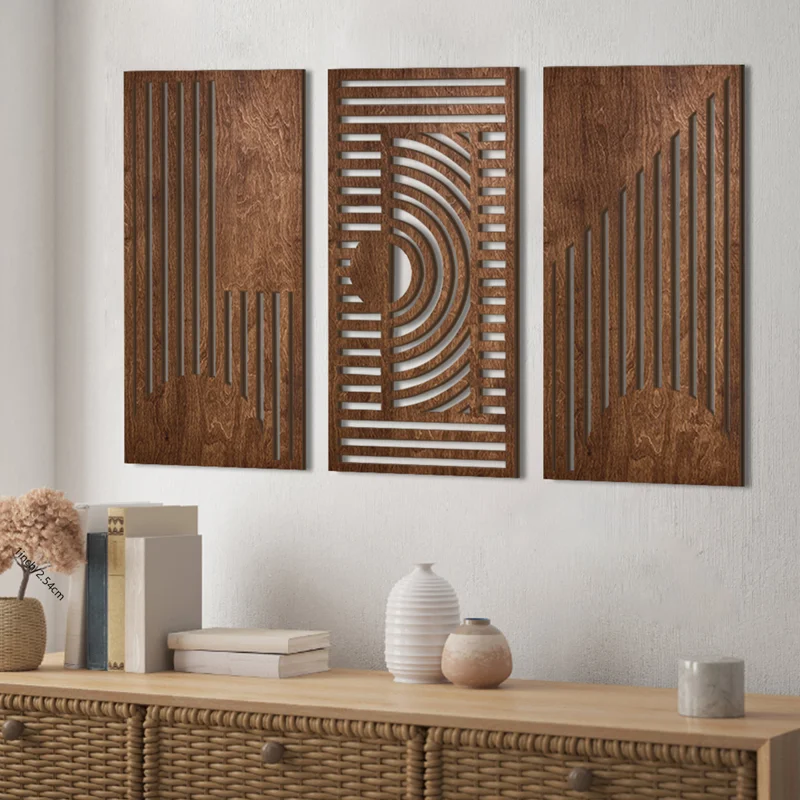
Wall decorations can combine geometric patterns, botanical illustrations and layered shapes.
Thin wood panels are suitable for many decorative designs. Cut the individual pieces, sand any areas that need attention and assemble the artwork using appropriate adhesive or fasteners.
Layered designs can create depth without requiring expensive materials. For example, a dark wooden background with a lighter decorative panel produces contrast using only two pieces.
Consider packaging before deciding on dimensions. Large wall decorations may be expensive to ship and more vulnerable to damage during delivery.
Smaller designs can be easier to sell through online marketplaces and local craft fairs.
4. Personalized Wedding Table Decorations
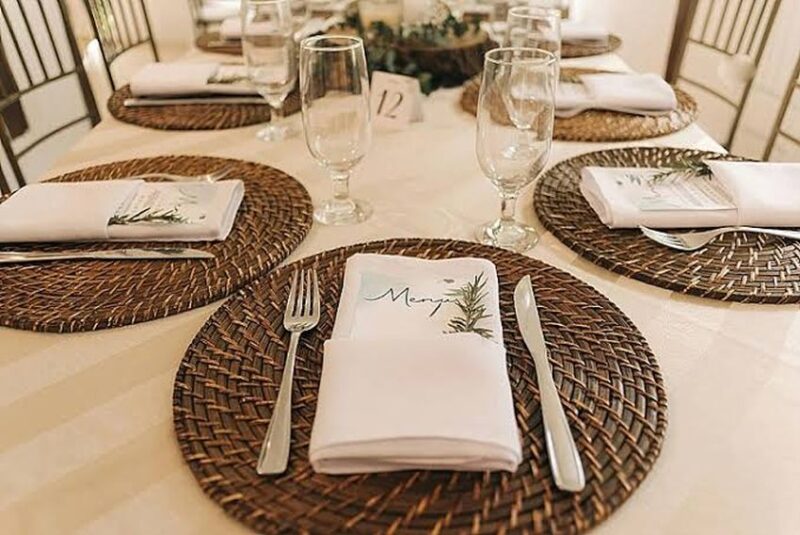
Wedding decorations provide opportunities for custom products because couples often want names, dates and coordinated designs.
Possible products include table numbers, place cards, cake toppers and welcome signs.
Use lightweight wood or suitable acrylic to manufacture matching pieces. A single design can be adapted across several products by changing the text and dimensions.
For example, a wedding collection might include 12 wooden table numbers, 80 guest name cards and a decorative sign featuring the couple’s initials.
Confirm every name and date with the customer before cutting. Replacing incorrectly personalized products can quickly reduce earnings.
Give customers a digital proof and obtain approval before production begins.
5. Engraved Wooden Coaster Sets
Coasters are relatively small products that can be sold individually or in sets of four or six.
Wooden coasters can feature original patterns, initials or simple illustrations. Cut the pieces to consistent dimensions and engrave the artwork.
Choose a finish appropriate for occasional contact with moisture. Test the finished product with cold drinks before selling it.
According to xTool guidance on laser processing solid wood, common materials for engraved products include walnut, beech and other suitable wood varieties.
Material selection influences the appearance of the engraving. Test samples before purchasing enough wood for a large production run.
6. Custom Desk Organizers
Desk organizers can hold pens, business cards, charging cables and small office supplies.
A simple design might use several flat plywood pieces that fit together to form compartments. Digital cutting helps produce repeated parts with consistent dimensions.
Begin with a compact organizer that can be assembled without complicated hardware. Check how firmly the pieces fit and if the finished product remains stable when loaded.
Personalized engraving can be offered as an additional service for office gifts or small business orders.
Keep the assembly instructions simple if customers will receive the product as a flat-pack kit.
7. Layered Paper Greeting Cards
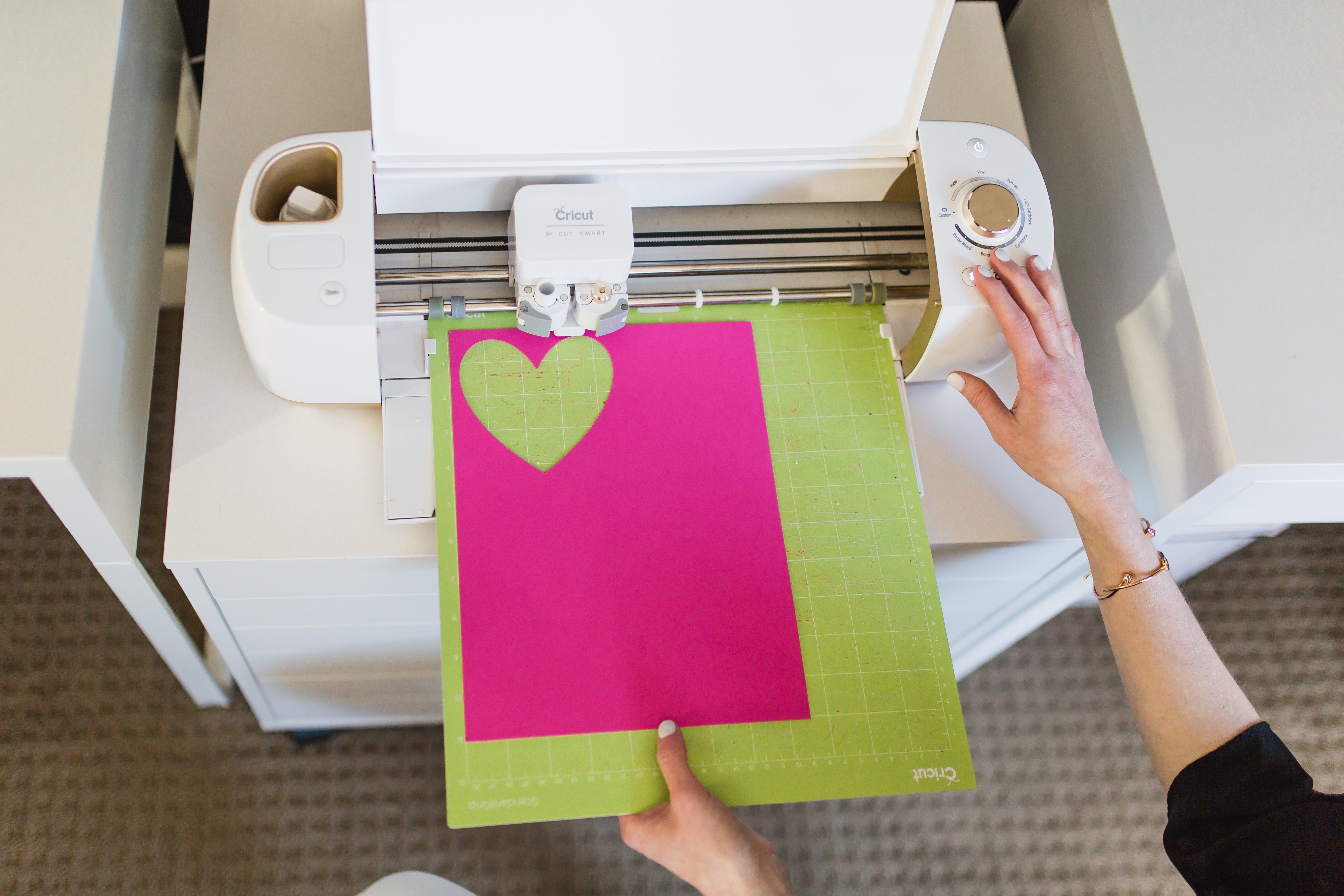
Paper cutting projects can be inexpensive to test because the materials are widely available and individual designs use relatively small quantities.
Greeting cards can feature layered illustrations, cutout lettering and decorative patterns for birthdays, anniversaries or holidays.
A digital cutting machine is often a suitable choice for cardstock. Certain laser systems can also process approved paper materials, although fire precautions and appropriate settings are essential.
Use contrasting paper colors to make cutout designs easier to see.
Offer matching envelopes and protect finished cards during storage. Paper products can bend or become damaged when exposed to moisture.
8. Personalized Leather Bookmarks
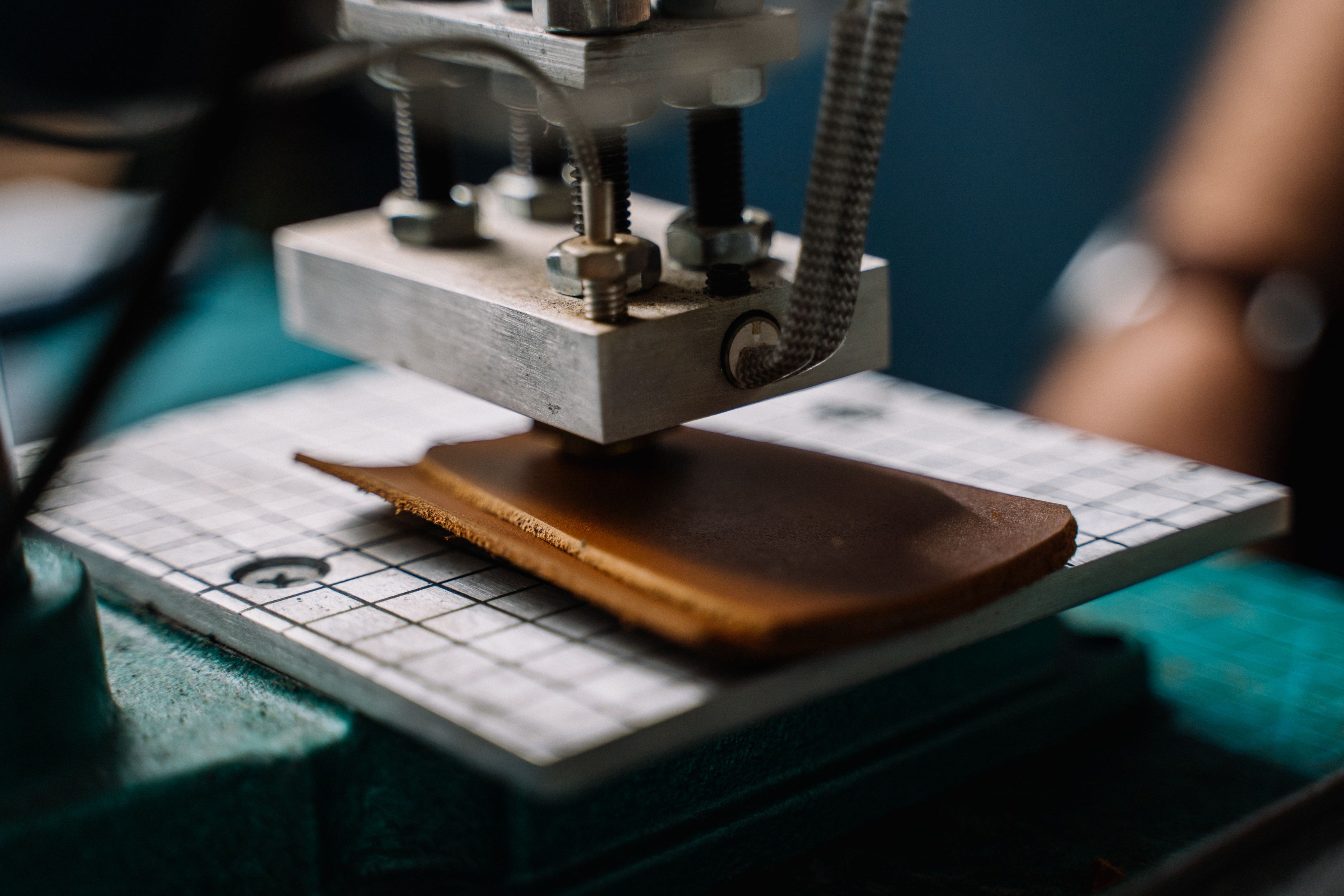
Bookmarks are suitable for readers, teachers and customers shopping for small personalized gifts.
Cut compatible leather into narrow strips and add a name, initials or decorative pattern. Rounded corners and a simple ribbon can finish the design.
Use only leather confirmed as suitable for the specific machine. Some coated or synthetic materials can release harmful fumes when processed with a laser.
Different leather surfaces also produce different engraving results. Make samples before advertising a particular appearance.
Bookmarks are small enough to ship in protective envelopes, which may help keep delivery expenses manageable.
9. Custom Wooden Christmas Ornaments
Seasonal ornaments allow makers to create collections around holidays and family celebrations.
Wooden Christmas decorations can include snowflakes, stars, names, dates and other original designs.
Cut the shapes from suitable thin wood, add engraved details and attach hanging string or ribbon.
Personalization can include family names or the year of a special occasion. Keep lettering readable and avoid extremely thin sections that could break during handling.
Seasonal demand means production planning is important. Begin preparing samples before the main shopping period and establish realistic deadlines for customized orders.
10. Decorative Plant Labels and Garden Markers
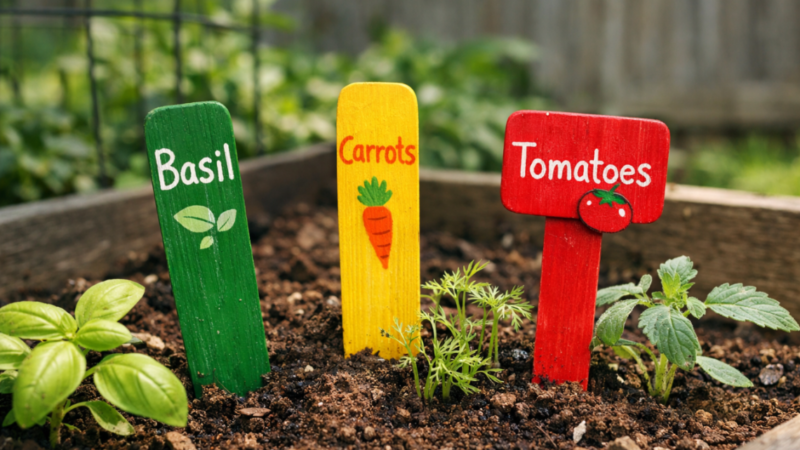
Garden markers can identify herbs, vegetables and flowers. Customers may purchase coordinated sets for home gardens or as gifts for people who enjoy growing plants.
Suitable materials include weather-resistant acrylic and certain treated wood products.
Choose lettering that remains readable when the marker is placed in soil. For outdoor use, check how the chosen material responds to moisture and sunlight.
Design a small selection of commonly grown herbs such as basil, mint, rosemary and parsley. Customized names can be offered for less common plants.
Test the products outdoors before making durability claims. Not all decorative wood finishes or acrylic materials tolerate prolonged exposure equally well.
Which DIY Products Are Best for Beginners?
The easiest starting projects generally use fewer materials, simple assembly and dimensions that fit your equipment.
Producing three or four samples of one design is a sensible way to check material usage and manufacturing time.
A product that requires 15 minutes to complete may be easier to price profitably than one involving several hours of assembly and finishing.
Start With a Few Products and Test What Customers Buy
Personalized signs, engraved coasters, acrylic keychains and decorative ornaments can all be produced in small batches.
Choose projects that fit your equipment and available workspace. Calculate material and labor costs before deciding on selling prices.
Once you know which designs attract regular orders, expanding into additional products becomes easier to justify. Consistent quality and accurate pricing will do more for a small DIY business than manufacturing a large collection before finding customers.