

Comparing insurance policies can get confusing fast.
Similar-looking quotes may differ in deductibles, exclusions, liability limits, optional protections, and claim support, so price alone rarely tells the full story.
A useful comparison starts with what each policy actually covers, how much financial risk you would still carry after a loss, and what situations could leave you paying out of pocket.
Start With Your Coverage Needs
Coverage priorities can vary based on property value, liability exposure, likely risks, and how you use a vehicle or home.
Essential protection should come first, while optional features can be evaluated after core risks are addressed. Personal circumstances matter as well.
Marriage, buying a home, adding a teenage driver, increasing your assets, or taking on new financial responsibilities can all change how much protection makes sense.
- Protection you would have difficulty paying for yourself after a serious loss
- Optional protection that may add convenience or cover lower-cost risks
Doing that first gives you a clearer baseline when several insurers present different packages.
Compare Policies on Equal Terms

Price comparisons only work when quotes offer similar protection.
One policy might cost less because it carries a larger deductible, smaller liability limit, fewer optional protections, or tighter restrictions.
Comparing it directly with a more comprehensive policy can make the cheaper option look better than it really is.
- Coverage types
- Liability limits
- Property limits
- Deductibles
- Optional protections
- Major restrictions
People comparing private health coverage can apply the same approach to specialized policies.
For example, Audelio private health insurance for self-employed explains how factors such as age, health status, selected benefits, and deductible levels can affect private health insurance costs for self-employed professionals in Germany.
Collecting quotes across several insurers can also show how differently companies price similar risk. Relying on only one provider gives you little context for judging whether a quote is competitive.
Review Coverage Limits and Deductibles

Coverage limits determine how much an insurer may pay for a covered loss. Accepting default limits without checking your actual exposure can leave a major gap.
Ask how much a serious claim could realistically cost and compare that figure with the policy limit.
Liability coverage deserves particular attention because lawsuits, medical costs, and property damage can exceed lower limits quickly.
Increasing protection may sometimes cost much less than expected.
Moving liability coverage between $100,000 and $300,000, for example, may add only about $50 to $100 annually in some cases. Actual pricing depends on the insurer, policy, location, and individual risk profile.
Deductibles deserve equal attention. A larger deductible can reduce your premium, but it also increases the amount you must pay after a covered loss.
Choose a deductible you could realistically pay without creating a financial problem. Saving on premiums has limited value if filing a claim would require cash you do not have available.
Pay Attention to Exclusions
Exclusions identify situations that a policy does not cover. Small wording differences here can create major differences in real protection.
Low-cost policies sometimes achieve their lower price by restricting certain losses or imposing stricter conditions. Problems often become visible only after someone tries to file a claim.
Ask a direct question during every quote review: “What common situations would not be covered by this policy?”
Answers can reveal exclusions that are easy to miss in policy documents.
Also check limitations tied to specific types of damage, property, drivers, locations, or use. A policy can look comprehensive at first glance while still placing important restrictions on situations relevant to you.
Look for Coverage Gaps
Differences may show up in areas such as water damage, rental vehicle coverage, liability protection, or accident forgiveness.
Small gaps can matter if they relate to risks you are likely to face.
Endorsements and riders can sometimes close those gaps. Common examples include scheduled protection for valuable property and water-backup coverage.
Before adding an endorsement, confirm exactly what it changes.
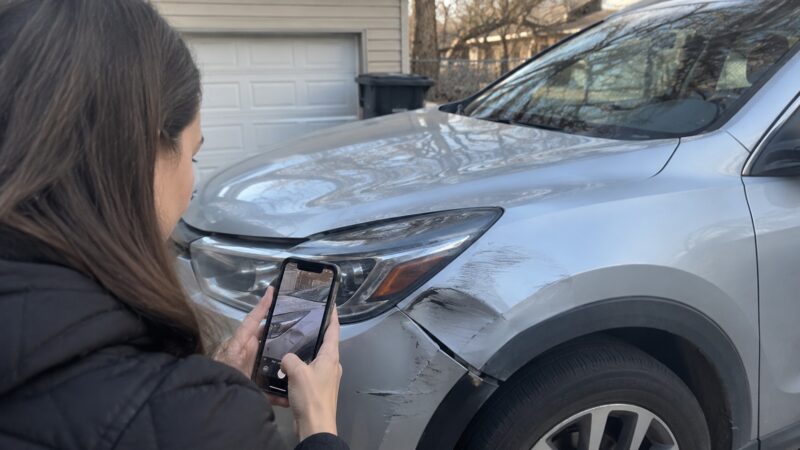
- Increase an existing coverage limit
- Modify an exclusion
- Add a new category of protection
Knowing which change applies helps you avoid paying for an add-on that does not address the risk you had in mind.
Understand Why Prices Differ
Factors such as location, claims history, age, driving record, property value, and vehicle value may carry different weight with different companies.
As a result, premiums can vary even when applicants request similar coverage.
A lower premium can also signal lower limits, larger deductibles, or fewer protections rather than better pricing. Look for legitimate ways to reduce cost without cutting important coverage.
Homeowners should also consider their overall household expenses. Investing in energy-efficient home improvements can help reduce utility bills, although these savings do not necessarily translate into lower insurance premiums.
Available savings may include bundling, group rates, technology-based programs, or other insurer discounts.
Compare final policy structures after discounts are applied. A discounted policy with weaker protection can still expose you to more financial risk than a slightly more expensive alternative.
Consider the Insurer, Not Just the Policy
Research claims service, customer support, reputation, reviews, and financial stability before choosing an insurer.
A low premium may feel less valuable if reaching the company during a claim becomes difficult.
- 24-hour claims assistance
- Roadside help
- Additional claim coordination
- Easy access to representatives
- Clear claim status updates
Pay attention to how clearly a company explains its policy before you buy. Vague answers about exclusions, limits, or claim procedures can make future problems harder to resolve.
Use a Simple Final Checklist

Once you have narrowed your choices, compare each quote using the same criteria.
- Premium
- Coverage limits and major sublimits
- Deductible
- Major exclusions and restrictions
- Important endorsements or riders
- Coverage gaps
- Claims support
- Customer service
- Discounts
- Additional benefits
Major reasons one quote costs more or less
Keeping these details side by side makes it easier to identify where one policy gives you more protection and where another shifts more risk back to you.
FAQs
A Wrap Up
Coverage, limits, deductibles, exclusions, and gaps should be compared before price becomes the deciding factor.
A cheaper quote may simply reduce the insurer’s financial responsibility while increasing yours.
Careful comparison means knowing what your premium buys, what your policy leaves uncovered, and how much money you could still need after a claim.