
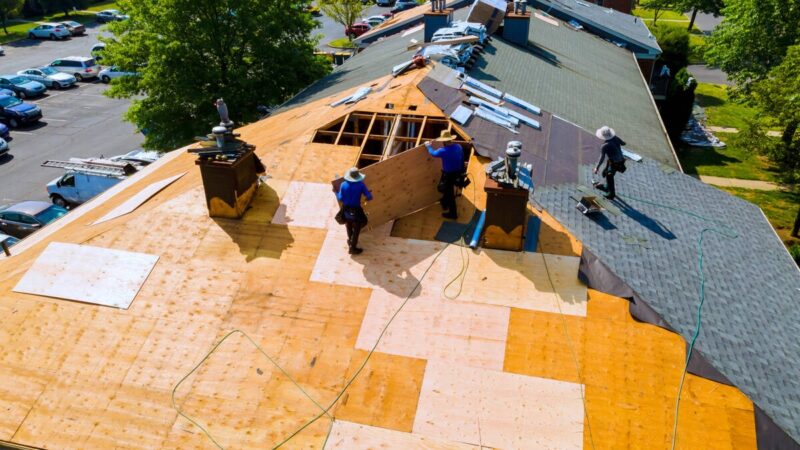
Choosing the right roof for a multi-family property is one of the most important decisions a property owner or developer can make. The roof does far more than shield residents from the elements. It influences long-term maintenance costs, impacts the building’s energy performance, and plays a major role in the property’s overall appeal.
As construction trends shift toward sustainability and modern design, multi family roofing services have become more specialized and innovative than ever. Owners now have a wide range of materials, installation techniques, and design options at their disposal, making it easier to create roofs that perform well and look great for decades.
Choosing Roofing Materials That Match Function and Style
Understanding the Strengths of Asphalt, Metal, and Tile Roofs
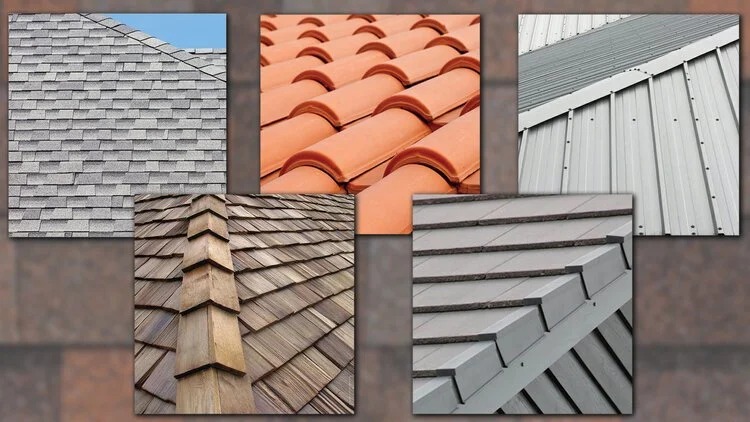
The material you choose sets the tone for everything that follows. Asphalt, metal, and tile remain three of the most reliable and widely used options for multi family buildings, and each one offers its own combination of value and longevity.
Asphalt shingles remain a favorite largely because of their affordability and versatility. They are available in a broad range of colors and profiles, making it simple to match them with nearly any architectural style.
Installation tends to be straightforward, which helps keep labor costs down. However, asphalt roofs typically last between 15 and 30 years. While this lifespan works well for many buildings, owners should be prepared for earlier replacement compared to more durable materials.
Metal roofing has steadily grown in popularity, especially for multi-family complexes built with long-term performance in mind. Its strength and resistance to harsh weather make it particularly appealing in regions with heavy rainfall, strong winds, or frequent storms.
A properly cared for metal roof can last anywhere from 40 to 70 years. It also reflects sunlight, reducing heat absorption and easing the burden on cooling systems during summer.
Tile roofing is often chosen for its timeless beauty and exceptional longevity. Whether made of clay, concrete, or slate, tile roofs can last well over 50 years. Their distinctive shape and texture create a sophisticated aesthetic that enhances curb appeal, especially in higher-end or architecturally distinct communities.
Because tile is heavier than other materials, owners must ensure the building’s structure is capable of supporting it. When installed correctly, these roofs resist rot, insects, and fire, making them a highly resilient choice.
When evaluating these options, owners should think beyond cost and consider regional climate conditions, architectural compatibility, and long term maintenance expectations. The best roofs are those that strike a balance between durability, efficiency, and visual appeal.
The Rise of Sustainable Building: Green and Solar Options
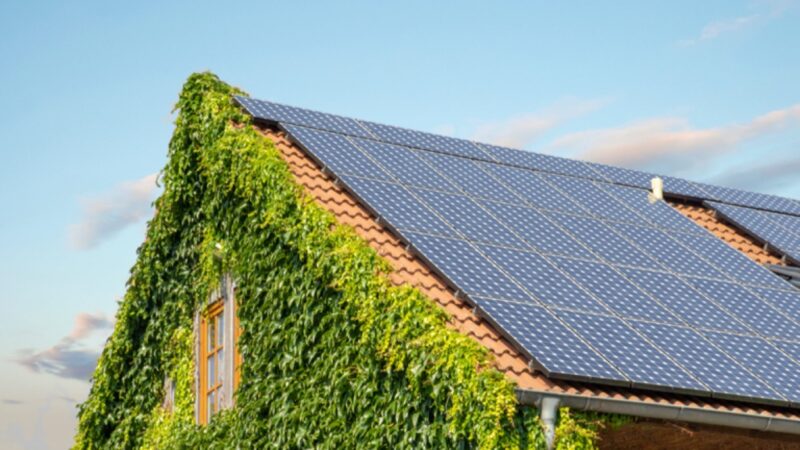
Sustainability has moved from a trend to a priority in modern construction. Multi family communities are increasingly embracing eco friendly features to reduce operating costs and attract environmentally conscious residents. Green roofs and solar roofing solutions have become two powerful ways to combine sustainability with performance and style.
A green roof is more than an attractive layer of vegetation. It acts as natural insulation, helps absorb rainwater, and contributes to reducing heat buildup in urban settings. These roofs can be designed with shallow, low maintenance plantings or with more dynamic, garden like arrangements using modular systems.
While the upfront investment can be higher than traditional roofing, the long term gains in energy savings, stormwater reduction, and environmental benefits are substantial. Depending on location, owners may even qualify for tax incentives for implementing eco friendly designs.
Solar panels are another smart addition to multi family roofs. Installing solar technology transforms unused space into a renewable energy source, reducing electricity costs and lowering the building’s carbon footprint.
Tenants increasingly appreciate communities that offer cleaner, more affordable utilities. Combining solar technology with durable materials creates a roof that performs double duty, supporting sustainable living while enhancing property value.
Adapting Roofing Choices to Local Climate Conditions
The climate surrounding a property strongly influences which roofing materials will last the longest and perform the best. A roof designed for a coastal region will differ from one intended for desert heat or heavy snowfall. Owners who tailor their roofing decisions to their environment often save significant money in repairs and replacements.
Rain heavy regions benefit greatly from water-resistant materials like metal or slate. These materials shed water efficiently and resist moisture damage, preventing mold growth and structural issues. Areas with high UV exposure call for materials that resist fading, cracking, and deterioration caused by prolonged sun exposure.
Snowy climates introduce their own challenges. Roofs need to manage heavy snow loads and support designs that encourage natural shedding of snow and ice. Sloped roofs, reinforced structures, and materials that tolerate cold temperatures help prevent leaks, warping, and collapses.
Fire-prone regions should prioritize materials that will not ignite from embers or radiant heat. Metal and tile roofs perform especially well in these environments.
By selecting materials and designs intended to thrive in their climate zone, owners gain peace of mind and extend the lifespan of their roofing system.
Innovative Installation Techniques That Improve Roof Performance
Seamless Systems Built for Strength
A roof is only as strong as its installation. Even the highest quality materials will underperform if installed poorly. That is why many multi family roofing services now favor seamless roofing systems, especially for flat or low slope buildings.
Seamless systems use large sheets of rubber or thermoplastic membranes to create a continuous protective barrier. Without seams, the roof is much less vulnerable to leaks, which are usually caused by gaps where materials overlap. These membranes also support energy efficiency by reflecting heat and maintaining stable temperatures inside the building.
Slip sheet installation is another technique used to prolong the life of roofing materials. This method places a protective layer between the roof deck and the outer material, reducing friction, enhancing insulation, and minimizing wear caused by expansion and contraction.
These advanced techniques not only improve performance but reduce long term maintenance needs. Certified, experienced installers are essential for ensuring the job is done correctly and safely.
Modern Waterproofing for Year-Round Protection
Water infiltration is one of the most common and costly sources of roof damage. Modern waterproofing systems have evolved far beyond basic tar and felt. Today’s solutions include polymer-based coatings, synthetic membranes, and multi-layer moisture barriers designed to stand up to extreme conditions.
Some systems incorporate integrated drainage channels to guide water away from vulnerable areas. Others use spray-applied coatings that bond seamlessly to the roof surface. These solutions often come with extended warranties that provide financial protection and peace of mind.
Regular inspections ensure waterproofing layers stay intact, especially after storms or seasonal changes. Investing early in a strong waterproofing strategy is one of the most effective ways to avoid expensive repairs down the road.
Ventilation That Supports Longevity and Efficiency
Proper ventilation is often overlooked, yet it plays a critical role in roof health. Without adequate airflow, moisture can accumulate in attic spaces, leading to mold growth, weakened materials, and temperature imbalance.
A well designed ventilation system uses ridge vents, soffit vents, and sometimes exhaust fans to encourage natural air movement. This regulates indoor temperature, reduces the likelihood of ice dams, and eases pressure on heating and cooling systems.
Improved airflow also boosts energy efficiency, an important advantage for multi family properties seeking to keep utility bills manageable for tenants. When ventilation and insulation work together, the entire building benefits from greater comfort and stability.
Roofing Design That Elevates Property Appeal
Using Color to Complement Architecture
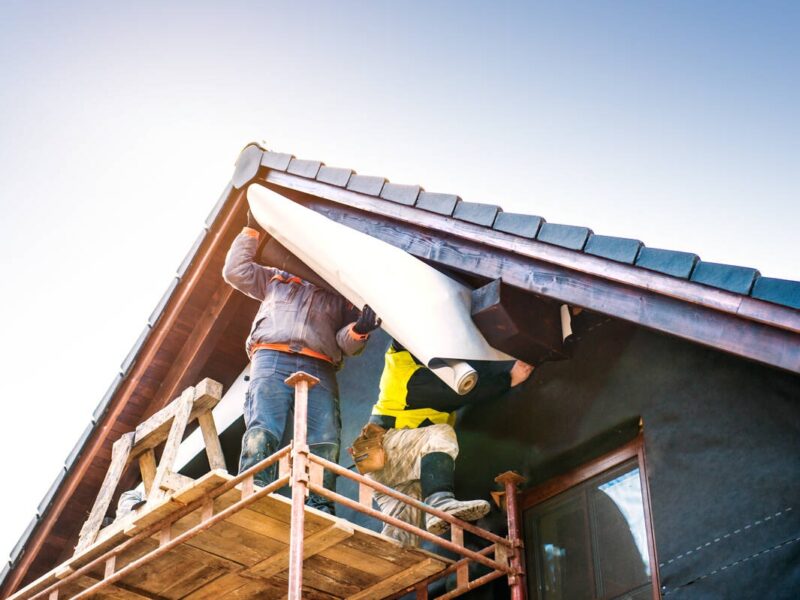
A roof is one of the most visible components of a building, making color selection a major factor in curb appeal. Thoughtful color choices can highlight architectural features, blend harmoniously with surrounding landscapes, or help a building stand out in a dense neighborhood.
For example, warm earth tones complement traditional designs, while sleek charcoal or metallic hues work well with contemporary styles. Multi tone shingle blends can add dimension and richness to large roof surfaces, creating a more dynamic appearance.
Color should also be selected with climate in mind. Lighter shades reflect more heat, keeping buildings cooler, while darker tones absorb warmth and may be better suited to colder regions.
Custom Features That Add Character
Many property owners now look for ways to personalize their multi family buildings through unique roofing features. Architectural shingles with textured surfaces, metal roofs with custom ridgelines, or tile roofs with distinctive profiles all contribute to a memorable aesthetic.
Adding dormers, gables, or decorative overhangs can further enhance the building’s personality. These features often make a property feel more inviting and may attract tenants who value design and comfort.
Skylights and Overhangs for Function and Charm
Skylights have become a popular addition for multi family communities because they bring natural light into interior spaces. This reduces reliance on artificial lighting and boosts the atmosphere in common areas or upper level units. Tenants appreciate the spacious, bright feeling that skylights create.
Overhangs add both protection and beauty. They shield windows and walls from rain and sun while creating visual interest along the building’s exterior. In outdoor communal spaces, they offer shade and shelter, encouraging residents to enjoy shared environments.
These functional design elements elevate the experience of living in the community, which can improve tenant satisfaction and retention.
Smart Maintenance That Protects Your Investment
Building a Strong Maintenance Routine
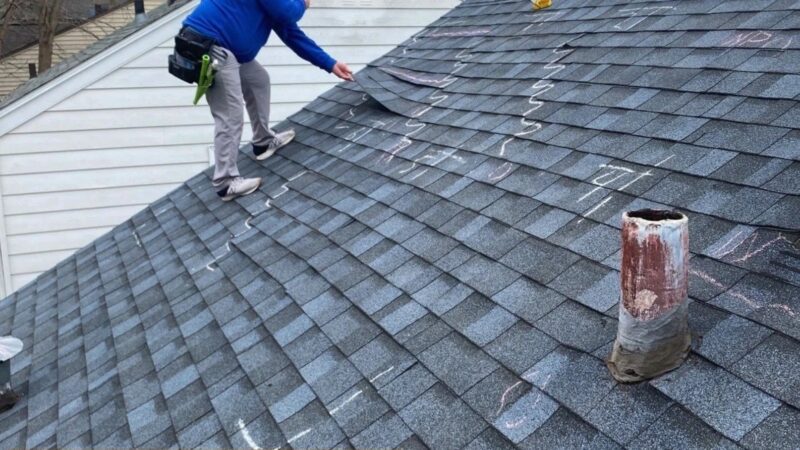
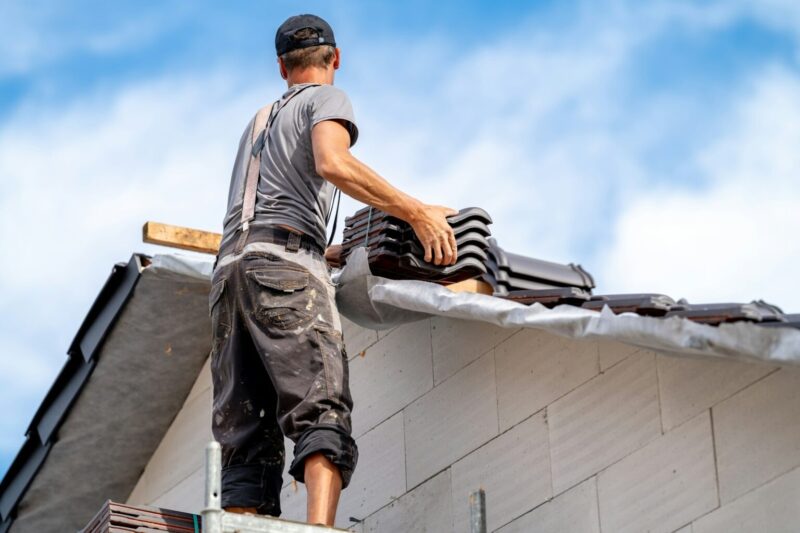
A well maintained roof lasts significantly longer than one that receives only occasional attention. A solid maintenance plan includes professional inspections twice a year, ideally in the spring and fall, along with seasonal tasks such as clearing gutters and removing debris after storms.
Regular checkups help identify early signs of damage, such as cracked shingles, loose flashing, or minor leaks. Addressing issues quickly prevents them from escalating into larger, more expensive problems.
Knowing When DIY Is Not Enough
While some maintenance tasks can be handled by property staff, professional roofers bring expertise that is essential for thorough evaluations. They can spot subtle signs of wear and diagnose structural problems that are not obvious to the untrained eye.
Professional inspections are especially important after severe weather events. Hidden damage from hail, heavy winds, or fallen branches can compromise roofing materials even if the surface appears intact.
Recognizing Red Flags That Require Immediate Attention
Certain issues require swift action. Sagging areas, large leaks, widespread shingle loss, or mold around roof edges indicate underlying problems that must be addressed promptly. A sudden spike in energy bills may also suggest inadequate ventilation or insulation.
Catching these warning signs early helps preserve the building’s safety, structural stability, and interior comfort. Addressing problems promptly keeps tenants safe and protects long term property value.
The Value of Expert Multi Family Roofing Services
Every multi family property has its own character, climate considerations, and performance needs. Working with dependable professionals ensures each roof is designed, installed, and maintained with those factors in mind. Reliable multi family roofing services bring together advanced materials, modern techniques, and thoughtful design to create roofing systems that stand strong and look beautiful for decades.
A roof is one of the most significant investments a property owner will ever make. With the right guidance, that investment becomes a long lasting asset that supports resident comfort, enhances property appeal, and protects the building from top to bottom.